

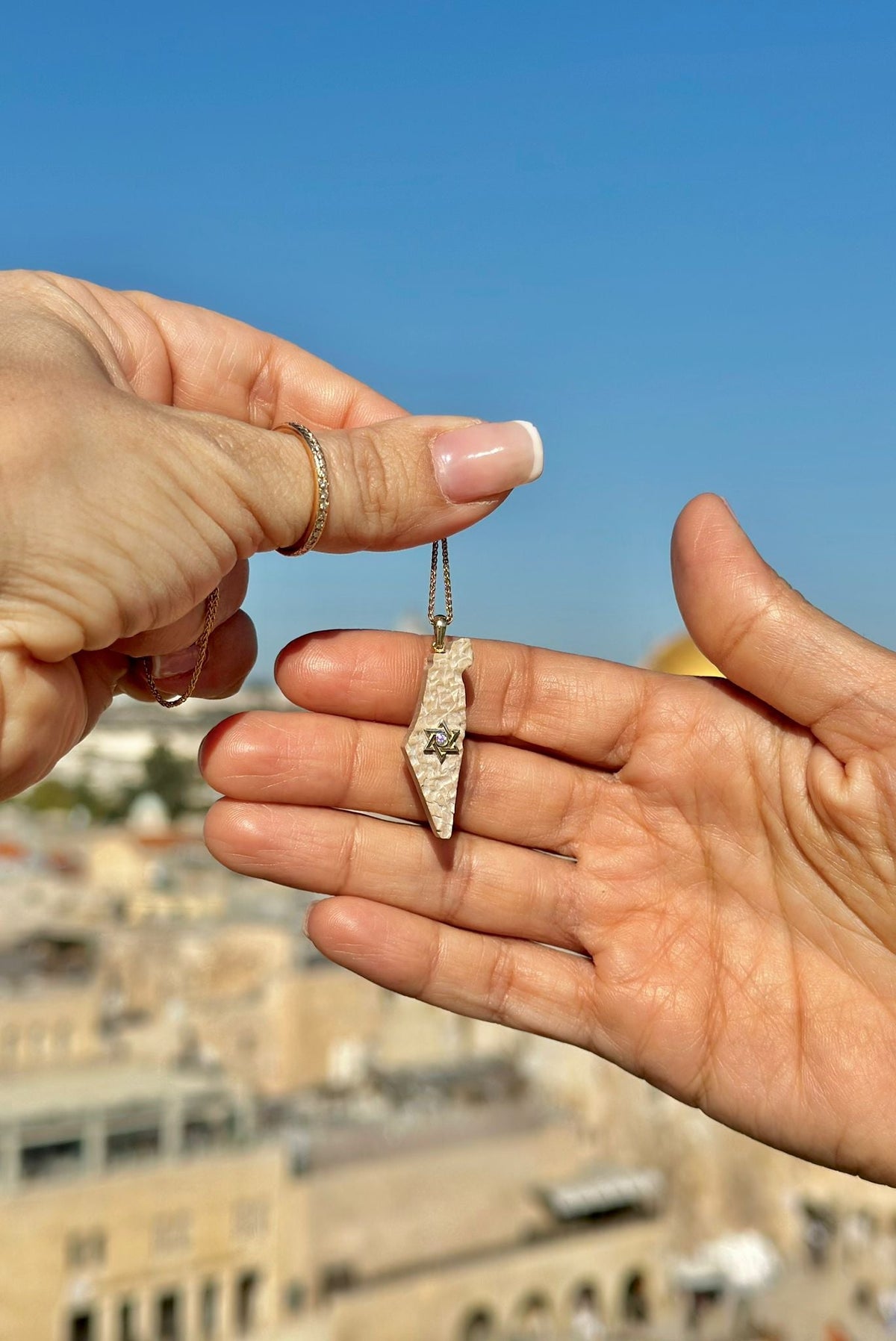
Jewelry That Carries a Legacy: Continuing Your Family’s Chain of Generations
The short answer: what makes jewelry a true family heirloom
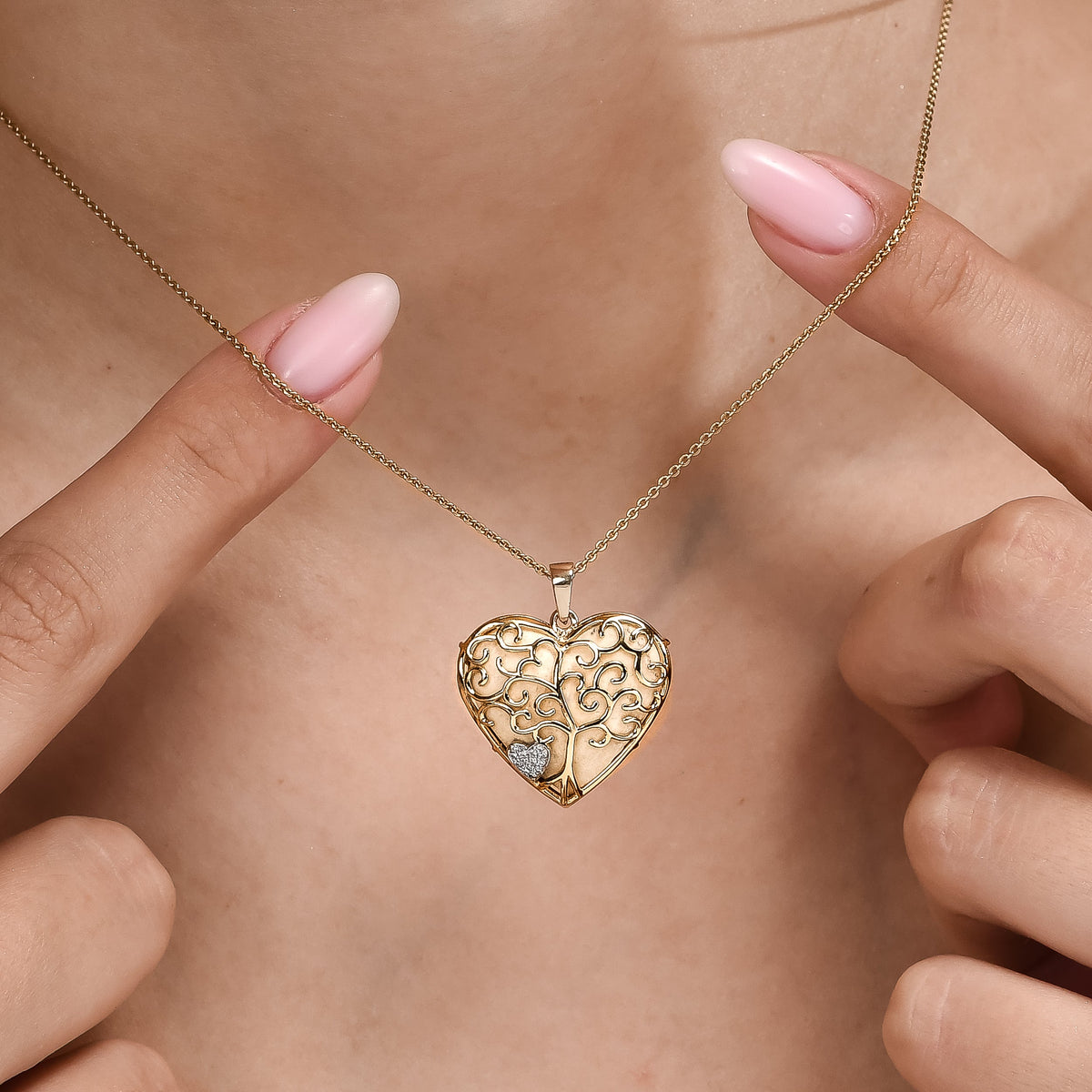
A true heirloom carries three things beyond its materials: a story worth retelling, proof that the story is real, and craftsmanship built to outlast the person who first wears it. A Moriah piece is set with an authenticated Temple Mount stone, comes with a certificate of origin, and is hand-set in fine gold and diamonds in Jerusalem. It gives a family something to pass down that is also a way to tell who they are.
Key facts at a glance:
-
The stone: A certified fragment of Jerusalem’s Temple Mount, rescued from the ground and documented by the Temple Mount Sifting Project.
-
The proof: A certificate of origin that stays with the piece as it changes hands.
-
The makers: A seventh-generation Jerusalemite family. Founder Avi Tavisal learned the craft from his father at fourteen and opened his first store in 1975.
-
The idea: The wearer continues a chain of generations. They do not close it.
Why heirloom jewelry matters to Jewish families
Jewish tradition has a long habit of treating continuity as a value in itself. The Hebrew phrase l’dor va’dor, “from generation to generation,” appears throughout prayer and ritual, and it describes what a family heirloom does in physical form. A ring, a pendant or a bracelet becomes a small, wearable piece of that idea.
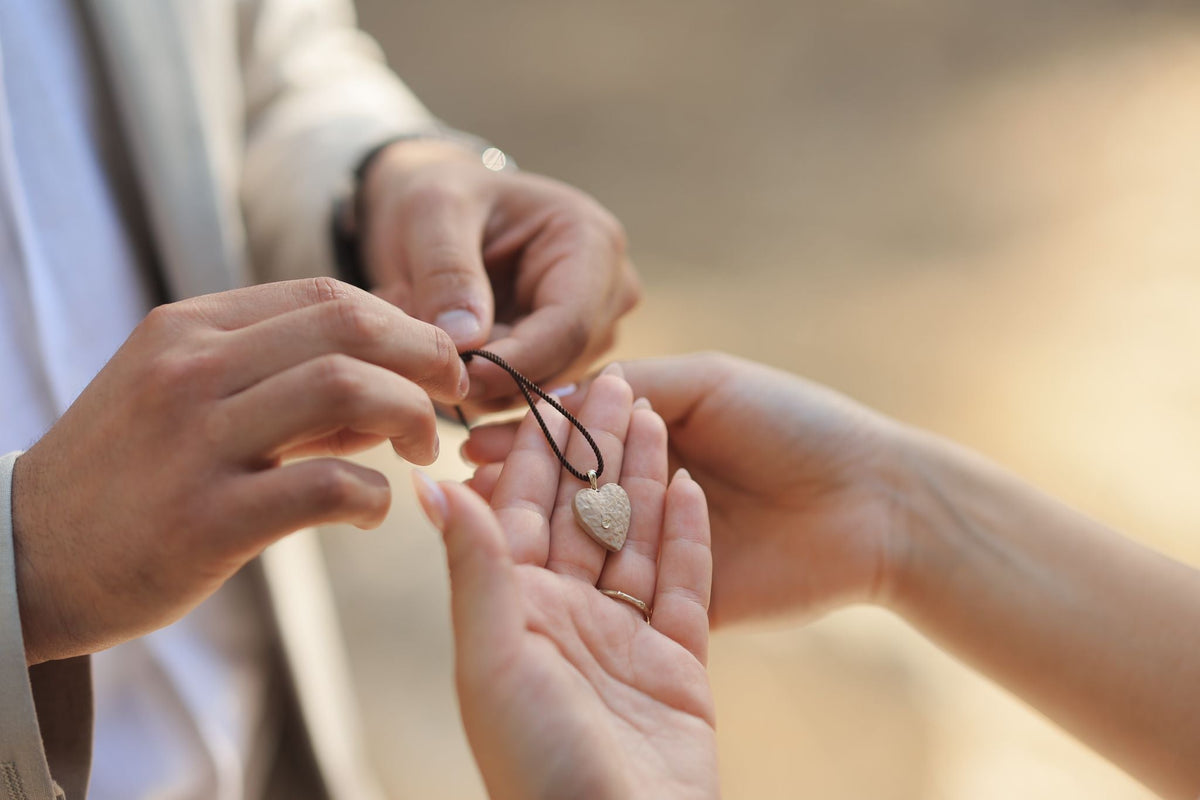
Heirloom jewelry also solves a real problem. Many families have stories they mean to pass on and never quite do. An object gives the story somewhere to live. When a grandmother clasps a necklace on a granddaughter, the moment carries the story with it, and the granddaughter usually remembers it long after the occasion has passed.
For Jewish families connected to Israel, the object matters more when it comes from Jerusalem itself. The place is part of the identity. Jewelry made there, from a stone of that ground, links the wearer to the city in a way that a generic piece of fine jewelry cannot.
What makes a piece a true heirloom
Not every expensive piece becomes an heirloom. The ones that do tend to share four qualities.
-
A story that can be told in a few sentences. If the family cannot explain why the piece matters, it becomes just another valuable object in a drawer. A Moriah stone comes with a clear one: rescued from the earth of the Temple Mount, sifted and documented, then set in gold in Jerusalem.
-
Proof that travels with the piece. A story is only as strong as its evidence. A certificate of origin means the next generation inherits the proof along with the object, and can hand it on to the generation after that.
-
Materials and craft that last. Fine gold and diamonds, set by hand, are built to be worn for decades and to be repaired or resized when the family needs it.
-
A design that stays wearable. Heirlooms that are kept are the ones people actually wear. Quiet, timeless design outlasts trends and keeps the piece in daily use.
When all four are present, the piece stops being a purchase and becomes a family object.
How to pass a piece down so the story survives
The piece is only half of the gift. The way it is handed over decides whether the story is remembered.
-
Choose the moment. Milestones give the gesture weight: a Bar or Bat Mitzvah, an engagement, a wedding, the birth of a child, a landmark birthday or a family gathering around a holiday.
-
Say the story aloud. Tell it in two or three sentences: where the stone came from, who rescued it, who set it. A short spoken story is easier to remember than a long written one.
-
Add a note in your own hand. Say why you chose the piece and what you hope it will mean to the person who wears it. Families keep these notes for decades.
-
Keep the certificate with the piece. Store it with the jewelry and pass both on together. The certificate is what lets every later owner tell the story with confidence.
-
Let the recipient add to it. The wearer becomes part of the chain. When they wear it to a wedding or hand it to their own child, they add a link of their own.
Seven generations, and where your family joins the chain
Moriah is itself a family story. Avi Tavisal is a seventh-generation Jerusalemite through his mother’s line and a jeweler through his father’s. He learned the craft from his father at fourteen and opened his first store in 1975. He also takes part in the Temple Mount Sifting Project himself.
Every Moriah piece follows three stages of continuity: the earth that guarded the stone for thousands of years, the hands that rescued it and set it in gold, and the hands that will wear it. Your family is the third stage. When you choose a piece, you continue a chain that was already in motion.
Ten percent of every purchase funds the Sifting Project, so the piece also helps the recovery of Jerusalem’s history continue.
To talk through a piece for a child, grandchild or spouse, explore the Moriah Collection or book a private consultation by phone or video.
Frequently asked questions
What makes jewelry an heirloom?
An heirloom combines a story worth retelling, proof that the story is real, materials and craft built to last, and a design that stays wearable. A certificate of origin supplies the proof.
What is a good heirloom gift from Israel?
A piece with a documented origin in Jerusalem, made in fine gold by a workshop you can name. Moriah’s pieces are set with authenticated Temple Mount stones and come with a certificate of origin.
Can a Moriah piece be passed down through generations?
Yes. The piece is made in fine gold and diamonds, hand-set, and built to last. The certificate of origin can be passed down with it.
When is the right moment to give an heirloom?
Milestones work best: a Bar or Bat Mitzvah, an engagement, a wedding, a birth or a landmark birthday. Choose a moment when the family is together.
What does l’dor va’dor mean?
It is Hebrew for “from generation to generation,” a phrase that appears throughout Jewish prayer and ritual and expresses the value of continuity.
Is the stone carved or ancient jewelry?
No. The stone was removed from the ground and later rescued by the Sifting Project. It was not shaped in antiquity. The gold and diamond setting is made today.
Leave a comment
This site is protected by hCaptcha and the hCaptcha Privacy Policy and Terms of Service apply.