

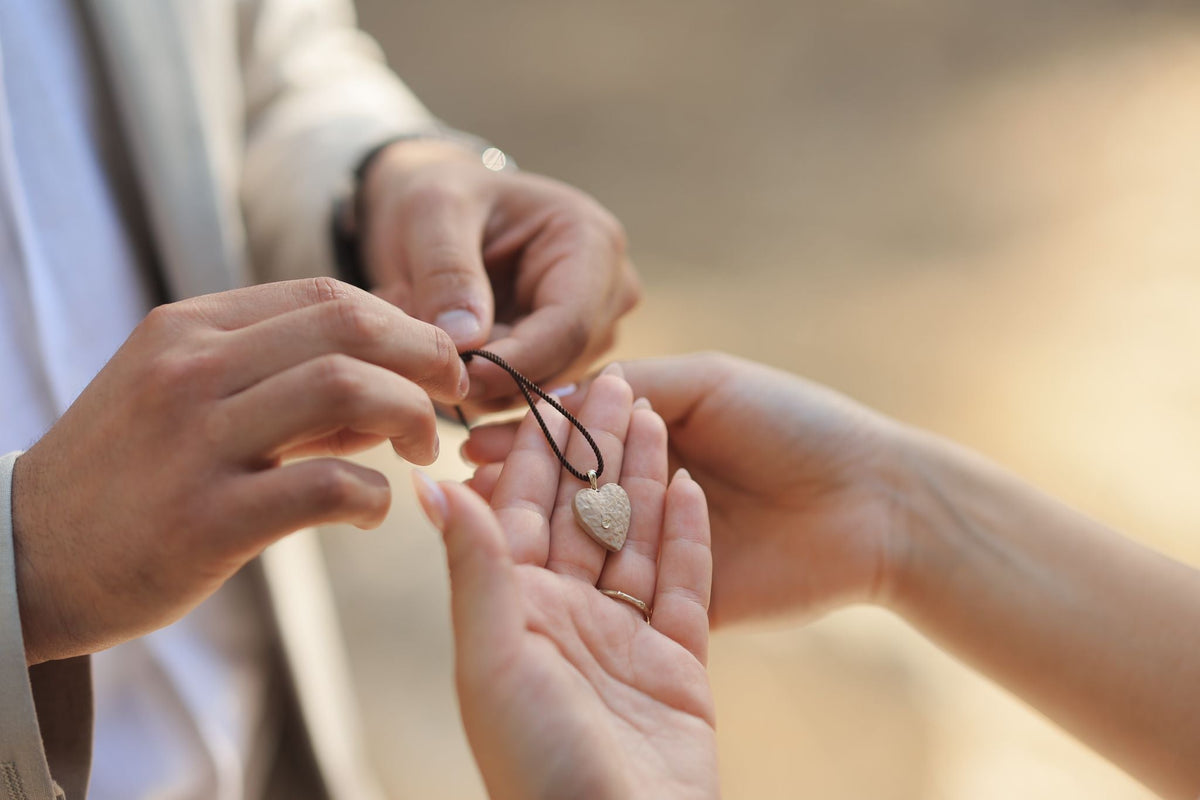
From the Sifting Project to Your Jewelry: The Journey of a Moriah Stone
The short answer: how a Temple Mount stone becomes a piece of jewelry
A Moriah stone begins as earth that was removed from the Temple Mount in 1999. It was later rescued and sifted by the Temple Mount Sifting Project, then authenticated, documented, and hand-set in fine gold and diamonds in Jerusalem by the Tavisal family, seventh-generation Jerusalemites. The stone was not carved or shaped in antiquity. It is a rescued fragment, and it arrives with a certificate of origin.
Key facts at a glance:
-
Origin: Earth removed from the Temple Mount in 1999, recovered and sifted by the Temple Mount Sifting Project.
-
What the stone is: An authenticated fragment, rescued from the ground. It is not an ancient carving.
-
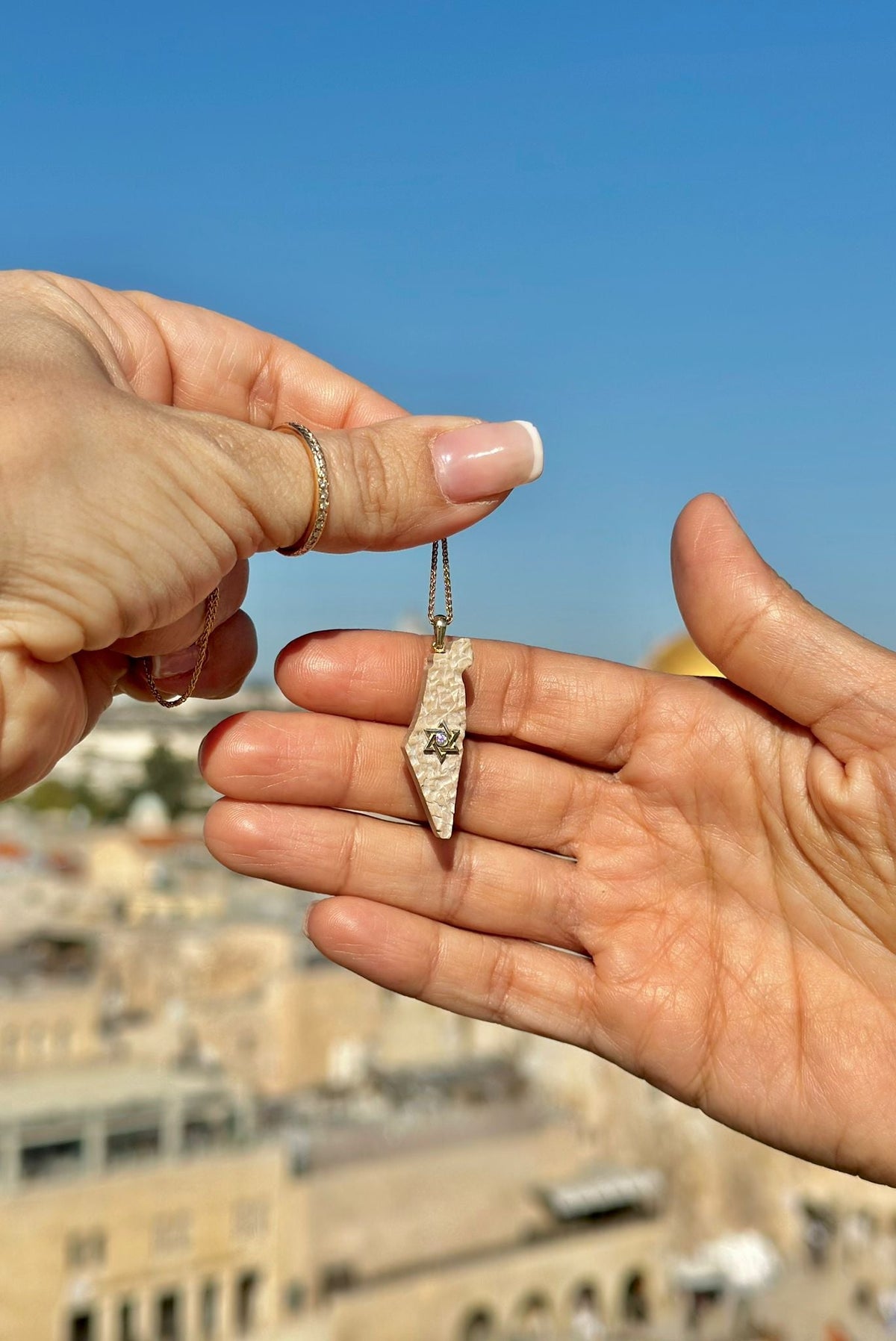
Craft: Hand-set in fine gold and diamonds by a seventh-generation Jerusalemite family, at a gallery and workshop that has stood in Jerusalem’s Old City since 1975.
-
Proof: Every piece comes with a certificate of origin.
-
Giving back: 10% of every purchase funds the Sifting Project’s ongoing work.
Stage one: the earth that guarded it
For thousands of years, the ground beneath and around the Temple Mount held the layers of Jerusalem’s history: pottery, stone, coins and the everyday objects of people who lived and worshipped there. The earth kept them in place. That is what “the earth that guarded it” means in Moriah’s story: the stone spent its long life beneath the surface, undisturbed.
In 1999, during construction work on the Temple Mount, large quantities of earth were removed from the site. That earth contained archaeological material that had not been examined. This article describes what happened to that material afterward. It does not take a side in the political or religious debate over the events themselves.
One point of accuracy matters here. The stone in a Moriah piece was not shaped by human hands in antiquity. It is a fragment that was removed from the ground and later rescued. The right word for Moriah’s part in the story is rescue, not creation.
Stage two: the hands that rescued it, the Temple Mount Sifting Project
The Temple Mount Sifting Project exists to examine that removed earth. Archaeologists and volunteers from around the world carefully wet-sift and sort the material by hand, looking for anything of historical value: pottery fragments, coins, tiny tools, architectural stone and more. The project was founded in 2005 by archaeologists Gabriel Barkay and Zachi Dvira.
The scale of the effort is large. As reported by the project itself:
-
635,000 findings uncovered so far
-
260,000 volunteers from around the world have taken part
-
4,700 tons of Temple Mount earth examined over 21 years
These are the project’s own figures and they keep growing, so check tmsifting.org for the current numbers.
Moriah’s founder, Avi Tavisal, takes part in the sifting himself. That personal link matters to the brand. It means the person who sets the stone in gold has also stood at the sifting tables, looking for the next fragment.
Stage three: the hands that set it, from stone to jewel
Moriah is led by Avi Tavisal, who learned the jeweler’s craft from his father at fourteen, opened his first store in 1975, and joined the Israel Diamond Exchange two years later. Through his mother’s line he is a seventh-generation Jerusalemite. He is, in his own life, a union of the two worlds the brand joins: fine jewelry and Jerusalem.
The path from stone to finished piece follows a simple order:
-
Recovery and authentication. The stone is recovered through the Sifting Project and authenticated.
-
Documentation. Its origin is recorded so that it can be described accurately and certified.
-
Design. The stone leads. The design is built around it rather than the reverse.
-
Setting. The stone is hand-set in fine gold and diamonds in Jerusalem.
-
Certificate of origin. The finished piece is issued with an official certificate that names its origin.
The certificate is central. It turns a good story into a verifiable one, and it is what lets the next owner, years from now, know exactly what they hold.
Stage four: the hands that wear it
The last stage belongs to the person who wears the piece. In Moriah’s view, the customer does not close the chain. They continue it. Wearing the piece, telling its story and one day passing it on turns the buyer into what Moriah calls an ambassador of Jerusalem.
Ten percent of every purchase funds the Temple Mount Sifting Project. Choosing a Moriah piece helps uncover the next fragment of Jerusalem’s history.
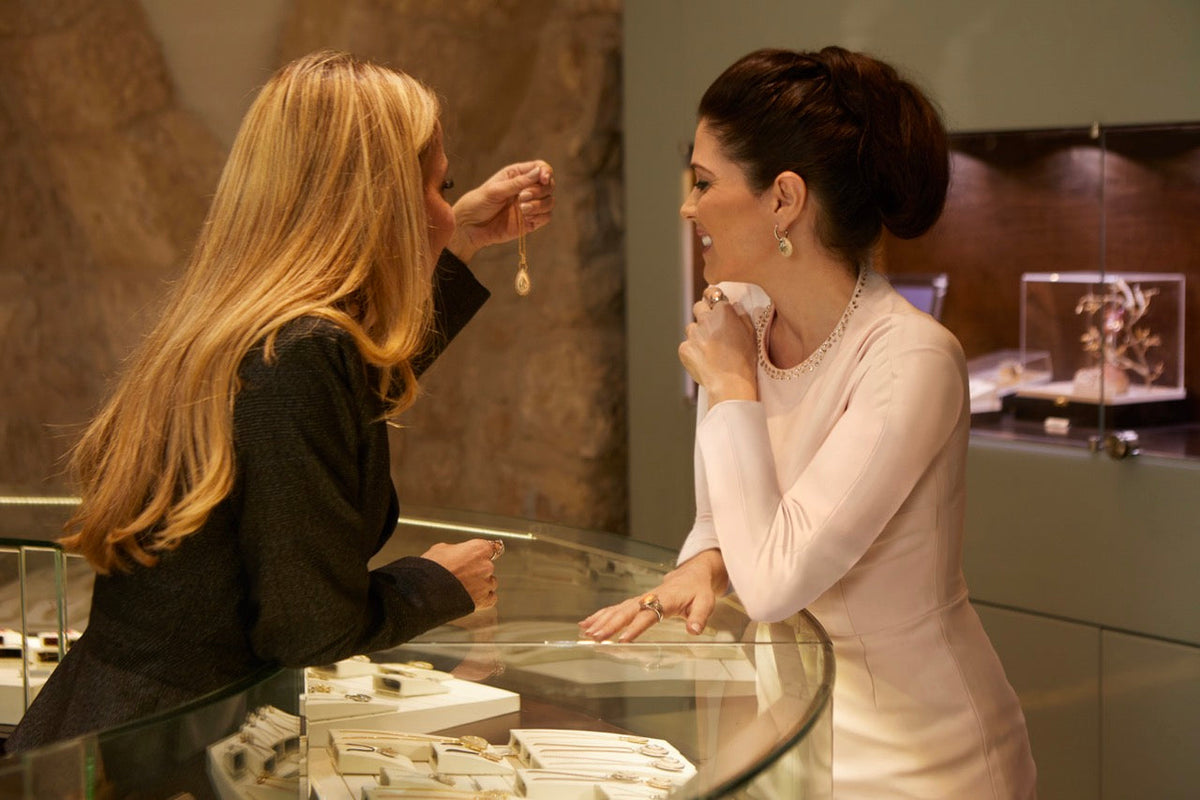
If you would like to see the stones and talk through the options with the team, explore the Moriah Collection or book a private consultation by phone or video. Visitors to Jerusalem are welcome at the gallery and workshop in the Old City.
Frequently asked questions
Is a Moriah stone really from the Temple Mount?
Yes. The stones come from earth removed from the Temple Mount in 1999 that was later recovered and examined by the Temple Mount Sifting Project. Each stone is authenticated and comes with a certificate of origin.
Was the stone carved in ancient times?
No. The stone was not shaped by human hands in antiquity. It is a rescued fragment of the site’s earth and stone, and it is set in gold today by Moriah’s jewelers.
What is the Temple Mount Sifting Project?
It is an archaeological project that examines earth recovered from the Temple Mount, using archaeologists and volunteers to find and document historical material. It was founded in 2005.
What does the certificate of origin include?
It is an official document that names the origin of the stone and accompanies the piece. It stays with the jewelry as it changes hands.
Where is Moriah jewelry made?
In Jerusalem, by the Tavisal family, seventh-generation Jerusalemites. The gallery and workshop have been in the Old City since 1975.
How does buying Moriah help the Sifting Project?
Ten percent of every purchase funds the project’s ongoing work.
Leave a comment
This site is protected by hCaptcha and the hCaptcha Privacy Policy and Terms of Service apply.