

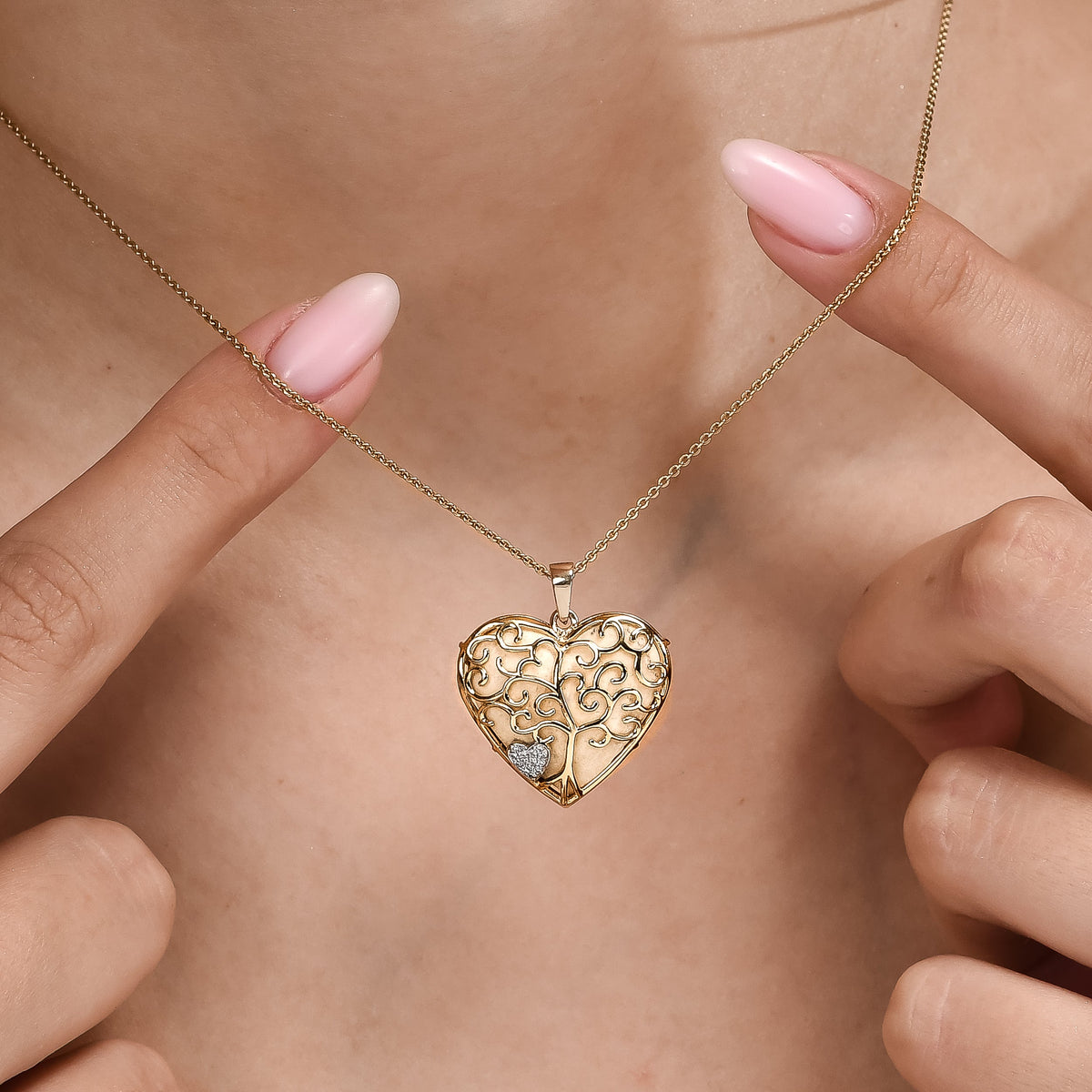
How to Buy Jewelry With Real Meaning: A Guide to Heirlooms vs. Holy Land Souvenirs
The short answer: how to tell real Jerusalem jewelry from a souvenir
Authentic Jerusalem jewelry can prove where its stone came from, shows fine craftsmanship, and is made by people who can name their lineage and their workshop. A souvenir usually offers a story without proof and a price that reflects it. Before you buy, ask for a certificate of origin, ask who set the stone and where, and check that the metal and stones are hallmarked and described precisely.
The six questions worth asking any seller:
-
Where exactly did the stone come from, and can it be documented?
-
Is there a certificate of origin that travels with the piece?
-
Who made it, where, and how long has the workshop existed?
-
What are the metal and stone specifications (gold karat, diamond details)?
-
What does the seller do with the proceeds, and can it be verified?
-
What happens if the piece needs resizing, repair or a return?
Three kinds of Holy Land jewelry
Most jewelry sold with a Jerusalem or Holy Land story falls into one of three categories. Knowing which one you are looking at is the first step in judging value.
Souvenirs. These are the olive-wood, silver and mass-produced pieces found in gift shops and tourist markets. They are priced as souvenirs and are meant to be. They rarely include documented origin or fine materials, and they usually make no claim to be an heirloom. There is nothing wrong with a souvenir that is honest about being one.
Story-led jewelry. Some brands build their pieces around a meaningful material or text, such as a verse, a symbol or a relic. The quality of these varies widely. The best combine a real story with real craft. Others lean on the story and are light on proof or materials.
Luxury houses. Global jewelry houses offer excellent craftsmanship and materials, but generally no spiritual or historical story tied to a specific place. You pay for design and brand rather than for meaning.
The gap between these categories is where an heirloom sits. It needs a documented origin, luxury-grade craft and a real lineage behind it, all three at once.
Buyer’s checklist: what to check before you buy
Use this checklist on any piece of jewelry sold with a Jerusalem story, from any seller.
|
Check |
What good looks like |
Warning sign |
|---|---|---|
|
Certificate of origin |
A signed certificate that names the origin of the stone and stays with the piece |
No certificate, or a card with no source named |
|
Provenance of the stone |
A specific, checkable account of where the stone came from and who recovered it |
Vague phrases such as “ancient stone from the Holy Land” |
|
Maker and workshop |
A named maker, a real address and a track record you can verify |
An anonymous seller with no history |
|
Metal and stones |
Karat and diamond details stated clearly, with hallmarks |
“Gold-tone” or unspecified metal at a high price |
|
Price against claims |
A price that reflects fine materials and documented origin |
A very low price for a claim of rare authenticity |
|
Where the money goes |
Any charitable claim stated plainly and verifiable |
Unspecified “proceeds support Israel” language |
|
After-sale care |
Resizing, repair and return policy in writing |
No stated policy for custom or engraved pieces |
Side by side: how the four types compare
The table below describes what each type typically offers. It is a general guide, and individual sellers vary.
|
Souvenir |
Story-led jewelry |
Luxury house |
Certified heirloom |
|
|---|---|---|---|---|
|
Documented origin |
Rarely |
Sometimes |
Not applicable |
Yes, with certificate |
|
Materials |
Base metal, silver, wood |
Varies |
Fine gold, gemstones |
Fine gold, diamonds |
|
Maker’s lineage |
Usually anonymous |
Varies |
Brand heritage |
Named family and workshop |
|
Meaning tied to a place |
Generic |
Often |
Rarely |
Specific: Jerusalem |
|
Price level |
Low |
Low to high |
High |
High |
|
Suited to being inherited |
Not designed for it |
Sometimes |
Yes, for craft |
Yes, for craft and story |
Common red flags across all four: a story without a source, a certificate with no named origin, an unusually low price for a claim of rarity, and pressure to buy before you can ask questions.
Where Moriah fits
Moriah is built to pass the checklist above. Each piece is set with an authenticated stone rescued through the Temple Mount Sifting Project, comes with a certificate of origin, and is hand-set in fine gold and diamonds by a seventh-generation Jerusalemite family. The gallery and workshop have stood in Jerusalem’s Old City since 1975, and 10% of every purchase funds the Sifting Project.
Moriah does not compete on price with souvenirs or on brand scale with global luxury houses. It competes on being the one place where a certified stone, a real lineage and luxury craft come together.
If you are comparing options, talk to the team. A private consultation, by phone or video, lets you ask every question on the checklist and see the stone before you decide. Explore the Moriah Collection or book a consultation.
Frequently asked questions
How can I tell if Jerusalem jewelry is authentic?
Ask for a certificate of origin, a specific account of where the stone came from, the name of the maker and workshop, and clear metal and stone details. If any of these is missing, ask why.
What should a certificate of origin say?
It should name the origin of the stone, identify the piece it belongs to and come from a seller you can contact. A card with no named source is not proof.
Is cheaper Holy Land jewelry a bad choice?
Not necessarily. A low-priced souvenir is fine if it is honest about being one. The problem is a low price paired with a claim of rare authenticity.
Why does Jerusalem jewelry with certified stone cost more?
Because it combines documented origin, fine materials such as gold and diamonds, and skilled hand-setting. Each adds real cost.
Does the seller’s charitable claim matter?
It should be specific and verifiable. Moriah gives 10% of every purchase to the Temple Mount Sifting Project.
What if I need to resize or return a piece?
Ask before you buy. Custom and engraved pieces are made to order, so policies differ from ready-made items.

Leave a comment
This site is protected by hCaptcha and the hCaptcha Privacy Policy and Terms of Service apply.