

How Is Temple Mount Stone Authenticated? Inside the Certificate of Origin
The short answer: what authenticated means, and what the certificate proves
An authentic Temple Mount stone is one whose origin can be traced: it comes from earth removed from the Temple Mount and recovered through the Temple Mount Sifting Project. Moriah’s jewelry comes with a Certificate of Authenticity signed by Dr. Gabriel Barkay and Zachi Dvira, the Project’s co-directors. It states that the collection uses true samples of natural stones from the Temple Mount, after sifting and removal of archaeological artifacts. The certificate speaks to origin. It does not claim the stone was carved or belongs to a named era.
Key facts at a glance:
-
What is verified: Origin, meaning that the stones are natural stones from the Temple Mount, sifted and cleared of archaeological artifacts.
-
What is not claimed: That the stone was shaped by human hands in antiquity, or that it belongs to a named historical period.
-
The proof: A Certificate of Authenticity signed by the two co-directors of the Temple Mount Sifting Project, the archaeologists who run the sifting.
-
The test for any seller: Who stands behind the certificate, and are they the people who actually examined the material?
What “authentic” means for a Temple Mount stone
The word authentic is easy to misuse, so precision matters. For a Moriah stone it means three specific things and nothing more.
-
It is from the Temple Mount. The stone comes from earth removed from the Temple Mount in 1999 and recovered through the Temple Mount Sifting Project.
-
It is a rescued fragment. The stone was removed from the ground and later rescued and documented. It was not shaped by human hands in antiquity.
-
Its origin is attested. The Sifting Project’s co-directors sign a certificate stating that the stones are true samples of natural stones from the Temple Mount.
What the word does not mean is just as important. It does not mean the stone was carved by an ancient craftsman, that it belongs to a named historical period, or that it is a relic. A seller who claims any of these without evidence is a reason for caution.
This is also why Moriah’s copy speaks of rescue. The stone was rescued from the ground. The craft that shapes it into jewelry is done today, in Jerusalem.
From sifting table to finished piece
Authentication here is not a laboratory stamp or a seller’s say-so. It rests on a source and on an attestation from the people who work at that source. The path has five steps, and a buyer can ask about each one.
-
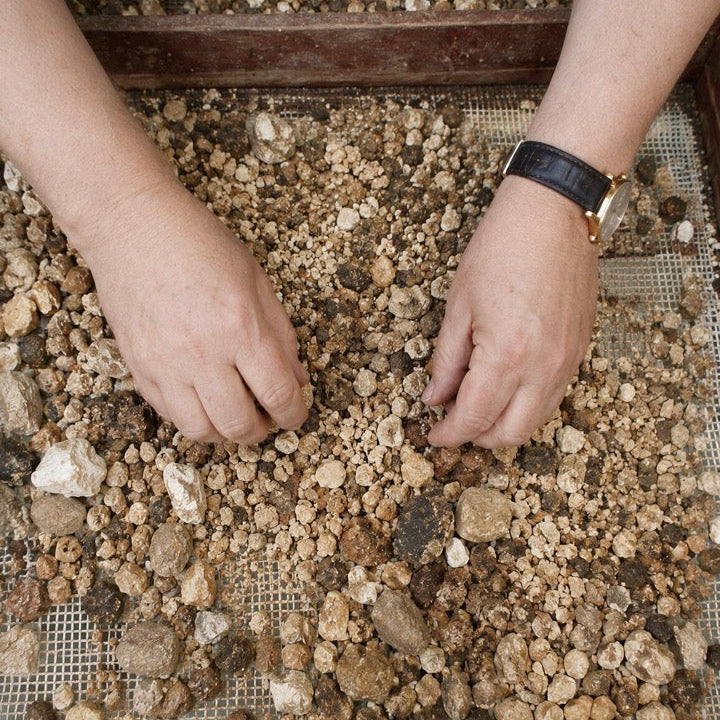
Sifting. Earth removed from the Temple Mount is wet-sifted by the Temple Mount Sifting Project’s archaeologists and volunteers.
-
Removal of artifacts. Finds of archaeological value are separated out for the Project to study and publish. They are not used in jewelry.
-
Natural stones. The natural stones that remain are true samples of the Temple Mount’s own material. These are the stones used in Moriah jewelry.
-
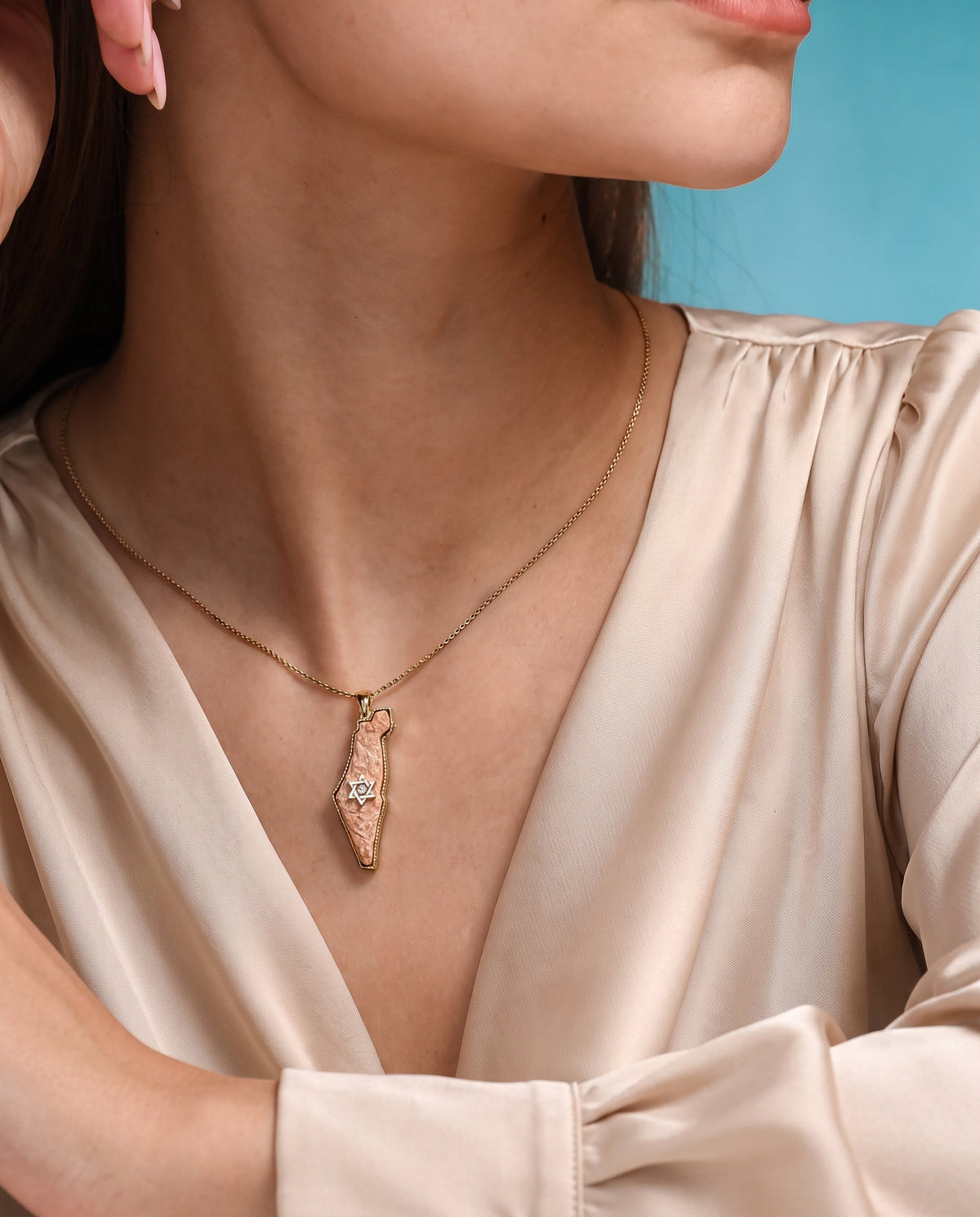
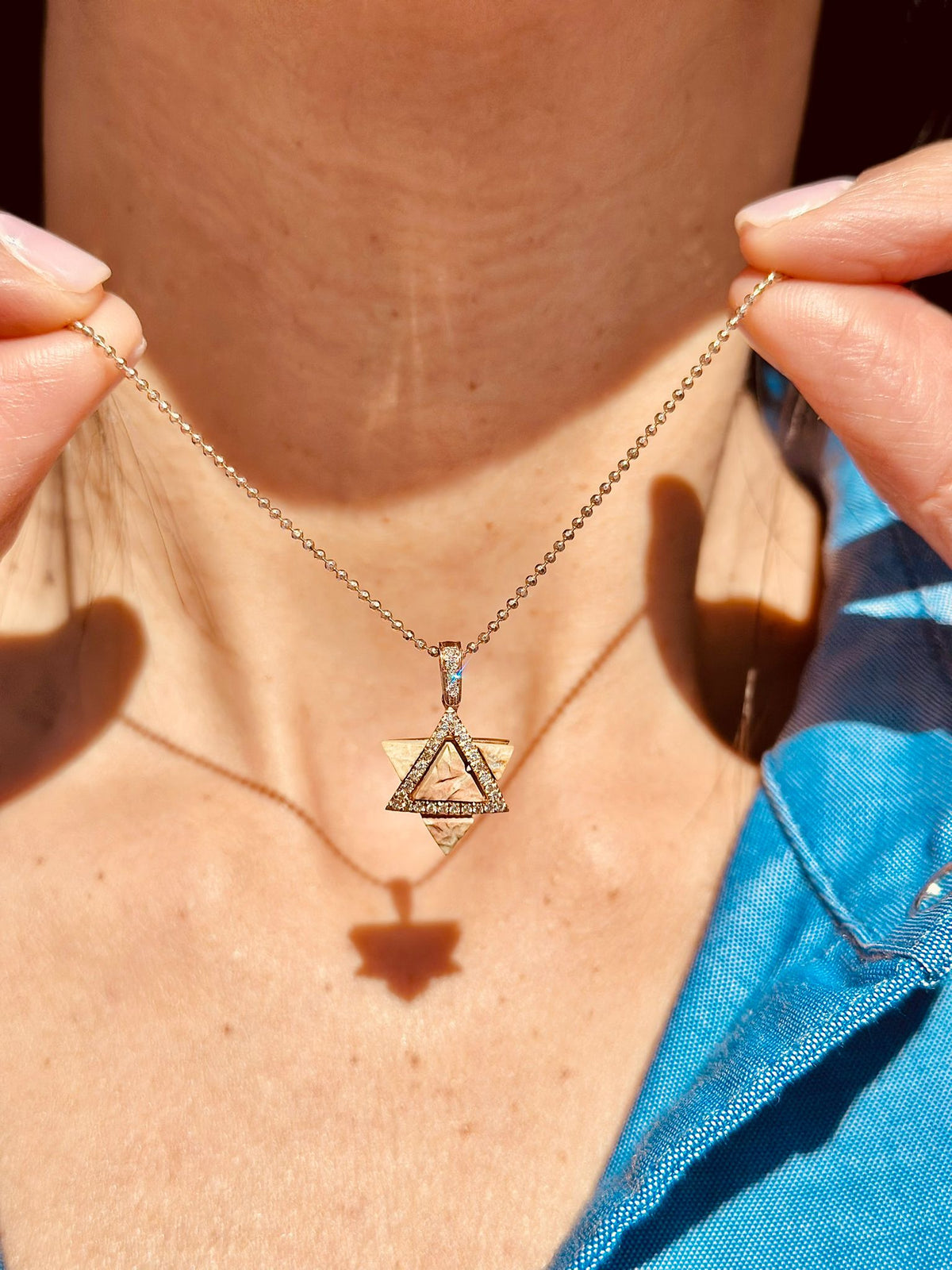
Setting. Each stone is hand-set in gold and diamonds in Jerusalem. Craftsmanship is a separate question from origin, but the same house accounts for both.
-
Certification. The jewelry comes with a Certificate of Authenticity that carries the piece’s ID and is signed by the Project’s co-directors, together with a personal letter from Avi Tavisal.
The strength of the claim comes from who attests to it. Here the attesting party is the archaeological project that does the sifting, not the seller. That is a different kind of assurance from a story told at the counter.
Inside Moriah’s Certificate of Authenticity
Moriah’s certificate is titled Certificate of Authenticity. Some buyers search for it as a certificate of origin, since its job is to state where the stone comes from. This is what it contains.
|
Element |
What it says |
|---|---|
|
The statement |
That the Moriah stone jewelry collection uses a true sample of natural stones from the Temple Mount, after sifting and removal of archaeological artifacts |
|
Who signs |
Dr. Gabriel Barkay and Zachi Dvira, Archaeologist, each as Co-Director of the Temple Mount Sifting Project |
|
The piece number |
Every item in the collection is numbered, which ties the certificate to the specific piece it accompanies |
|
Whose names appear |
The logos of the Temple Mount Sifting Project, the Israel Archaeology Foundation and Mitzpeh Hamasu’ot |
|
The giving-back line |
That by purchasing, the buyer also supports the Temple Mount Sifting Project |
|
Where to learn more |
The Project’s website, tmsifting.org/en |
What it does not say matters as much. It makes no claim that the stones were carved in antiquity and gives them no date or era. It certifies origin and nothing more. Keep the certificate and Avi’s letter with the piece, ideally in the same box, and store a photograph of it. When the piece is passed on, the certificate is part of the gift.
Red flags: how to spot an unverifiable claim
The market for “Temple Mount” stone and soil includes sellers of very different quality. You do not need to name names to spot the weak ones. Watch for these signs.
-
No certificate, or a certificate that names no source. A card that says “authentic” without saying why is decoration.
-
A vague origin. Phrases such as “ancient stone from the Holy Land” or “from Jerusalem” do not identify a source.
-
Claims the evidence cannot support. A stone described as carved in antiquity, or dated to a named king or era, needs proof the seller rarely has.
-
A price far below the claim. Documented origin, fine gold and skilled setting cost money. A very low price paired with a rare-origin claim deserves questions.
-
No answer to how the material was obtained. Ask how the material left the site and reached the seller. Material recovered through the Sifting Project has a documented path. Informally collected soil or stone does not.
-
A certificate signed by no one but the seller. A signature from the party that actually did the sifting or examined the material carries weight. A self-issued card does not.
A good seller welcomes these questions. If the answers are vague, or the seller becomes defensive, treat that as an answer too.
Moriah’s approach
Moriah treats the certificate as part of the product, not an extra. Each piece is set with a natural stone from the Temple Mount, sifted and cleared of archaeological artifacts by the Temple Mount Sifting Project, and the jewelry comes with a Certificate of Authenticity that carries the piece’s ID, signed by the Project’s co-directors, together with a personal letter from Avi Tavisal.
The stone is described for what it is: a rescued fragment, not an ancient carving. The craft is done in Jerusalem, by a seventh-generation Jerusalemite family, in fine gold and diamonds. The collection is made in limited series, with the number of items in each series based on 7. And 10% of every purchase funds the Sifting Project.
If you want to see the certificate before you decide, ask. A private consultation, by phone or video, lets you review the stone and the paperwork with the team. Explore the Moriah Collection or book a consultation.
Frequently asked questions
How is Temple Mount stone authenticated?
By source and attestation. The stone comes from earth removed from the Temple Mount and sifted by the Temple Mount Sifting Project, and the Project’s co-directors sign a certificate stating that the stones are true samples of natural stones from the Temple Mount.
What does Moriah’s Certificate of Authenticity say?
It states that the Moriah collection uses a true sample of natural stones from the Temple Mount, after sifting and removal of archaeological artifacts. It is signed by Dr. Gabriel Barkay and Zachi Dvira as Co-Directors of the Temple Mount Sifting Project, and notes that the purchase supports the Project. Each certificate carries the ID of the piece it accompanies.
Does the certificate say how old the stone is?
No. It says where the stone came from. It does not claim the stone was carved in antiquity or belongs to a named period.
How can I tell a weak certificate from a strong one?
A strong one names the origin plainly, is signed by people with direct knowledge of the source, and is clear about what it does not claim. A weak one says only “authentic” and is signed by no one, or only by the seller.
Why is jewelry with a documented stone more expensive?
Because documentation, fine materials such as gold and diamonds, and skilled hand-setting each add real cost.
Can I see the certificate before I buy?
Yes. Ask the team, or book a private consultation to review the stone and the paperwork.
Leave a comment
This site is protected by hCaptcha and the hCaptcha Privacy Policy and Terms of Service apply.