

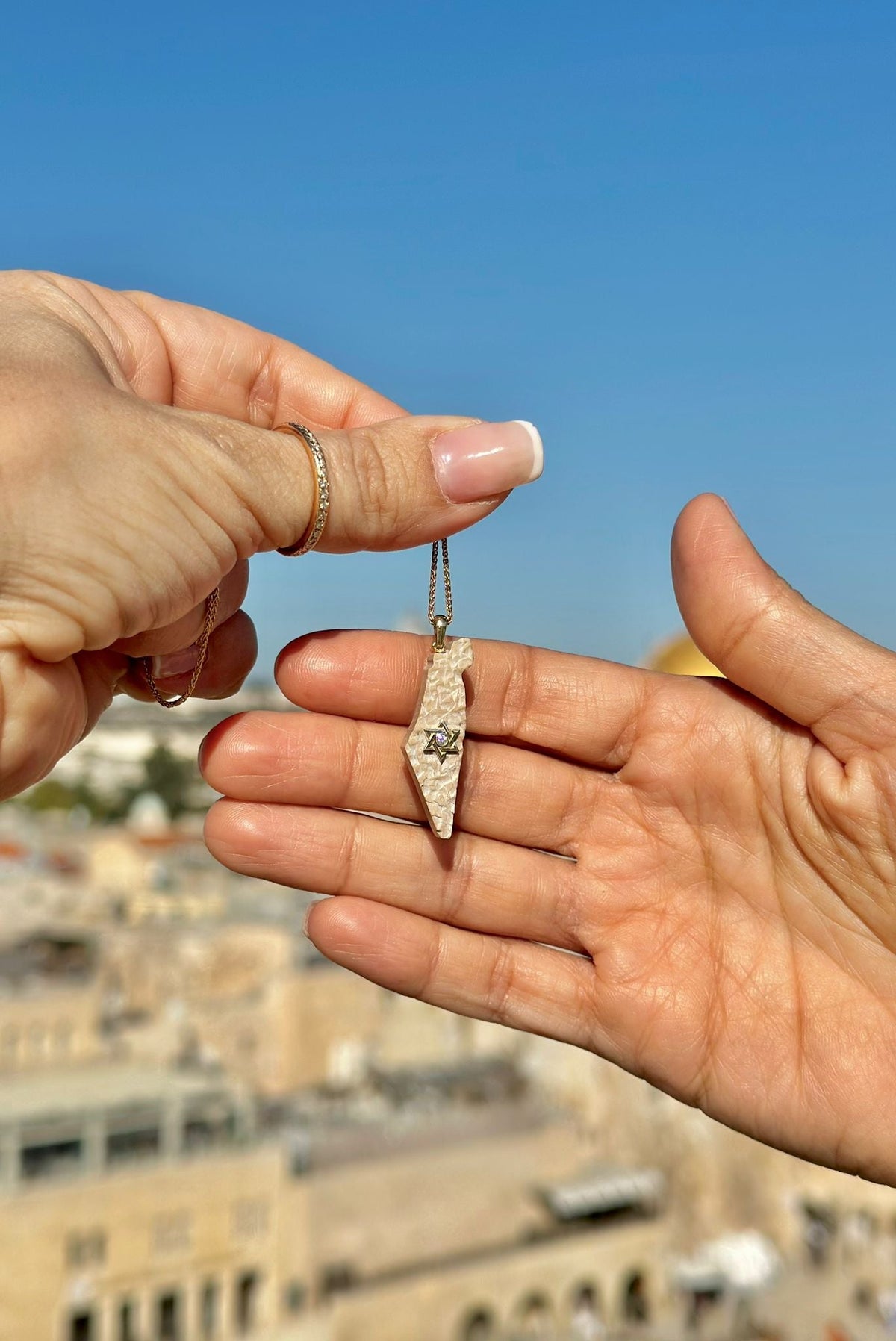
Bar and Bat Mitzvah Gifts That Carry Jewish Heritage
The short answer: what makes a gift carry Jewish heritage
A gift carries Jewish heritage when it ties the milestone to something the young person can understand, explain and keep: a symbol with meaning, a link to family, and a connection to Jerusalem or Israel that is real rather than decorative. Jewelry does this well because it is worn daily and passed on. Moriah’s pieces add proof, since each is set with a certified Temple Mount stone and comes with a Certificate of Authenticity.
Key facts at a glance:
-
Tradition: Families commonly give money, books, Judaica and jewelry, and money gifts are often given in multiples of 18, the value of the Hebrew word chai, “life.”
-
What sets heritage jewelry apart: A symbol, a story and a proof, not only a pretty piece.
-
Personal touch: Engraving, a Hebrew name or a note from a grandparent turns a gift into a family object.
-
Giving back: 10% of every Moriah purchase funds the Temple Mount Sifting Project.
What families traditionally give, and where jewelry fits
Bar and Bat Mitzvah gifts vary by community, but a few traditions are widespread.
|
Gift |
What it usually means |
|---|---|
|
Money |
The most common gift, often given in multiples of 18, the numerical value of chai, “life.” Many families direct part of it to savings or charity. |
|
Books and Judaica |
A Tanakh, a siddur, a kiddush cup or candlesticks mark the step into Jewish adult life. |
|
Jewelry |
A pendant or bracelet the young person can wear daily and keep for life. Common designs include the chai, the Star of David and the hamsa. |
|
A trip to Israel |
A shared journey that many families plan around the milestone. |
Jewelry sits between the practical and the symbolic. Money is spent and books can sit on a shelf, but a pendant is worn, noticed and asked about. That is why it is one of the few gifts that keeps working as a reminder of the day.
The weakness of most jewelry gifts is that the meaning stops at the symbol. A chai pendant says life. It cannot say where it came from or why it matters to this family. That is the gap a piece with a documented story fills.
Symbols and meaning: choosing a design that says something
A symbol is only heritage if the young person can say what it means. These are the ones families most often choose.
|
Symbol |
What it says |
Moriah collection |
|---|---|---|
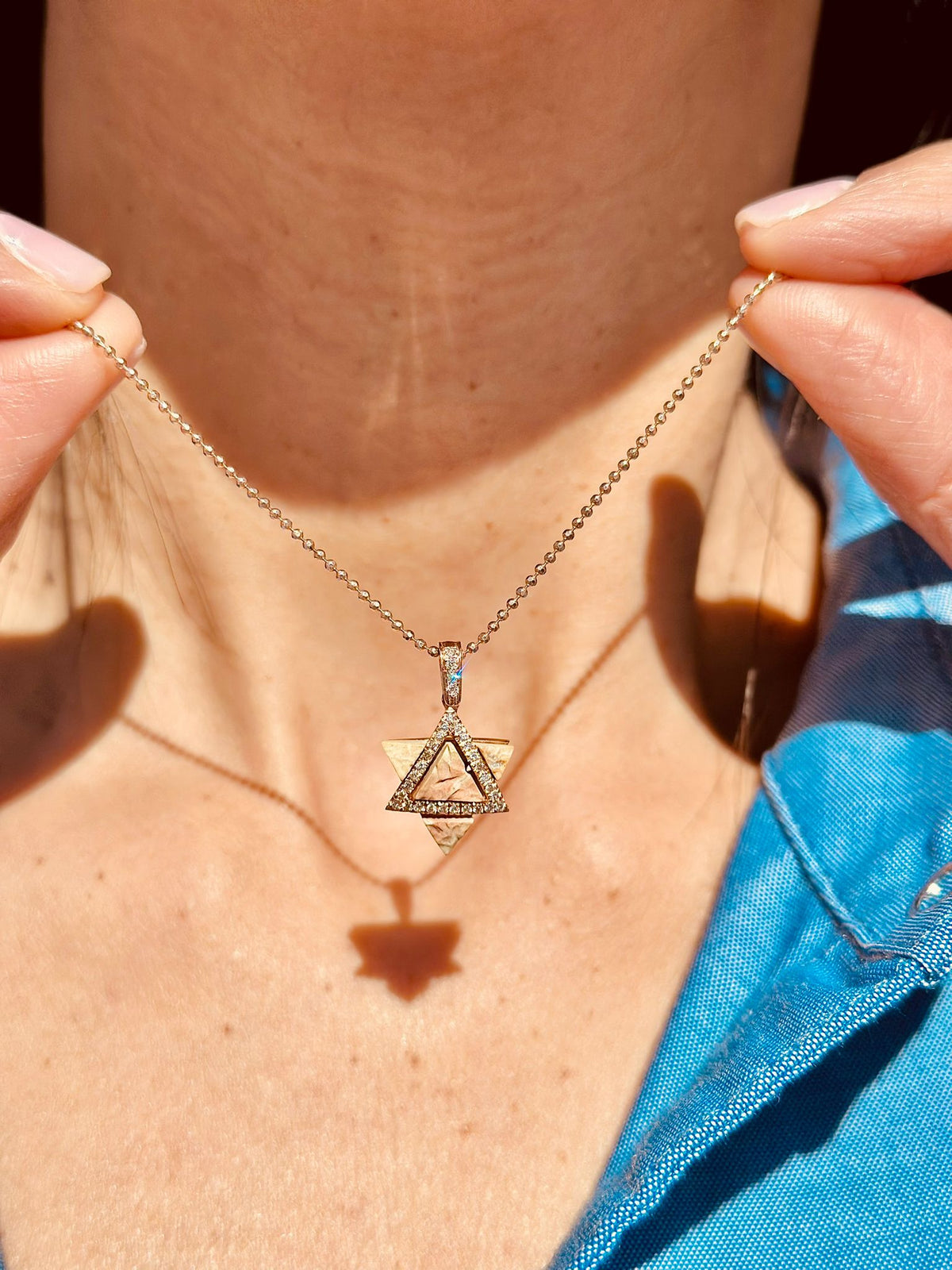
Star of David |
Jewish identity, belonging and continuity |
|
|
Chai |
Life, and the value 18 |
Often paired with any collection |
|
Tree of Life |
Growth, continuity and the Torah, which is traditionally called a tree of life |
Tree of Life |
|
Faith |
Trust and commitment to a Jewish path |
Emunah |
|
Beit El |
“House of God,” the place Jacob named after his dream |
Beit El |
|
The map of Israel |
A direct tie to the land |
Israel Map |
Pick the symbol that fits the person, not the occasion. A thirteen-year-old who loves nature may connect to the Tree of Life. A family with a strong tie to Israel may prefer the map. The best test is simple: can the recipient explain it in one sentence a year from now?
Making it personal
Heritage becomes personal when the gift carries something only this family could add. Four ways to do it:
-
A Hebrew name. Many young people receive or use a Hebrew name at this milestone. A piece engraved or presented with that name links the gift to who they are in the community.
-
The Torah portion. The portion read at the Bar or Bat Mitzvah gives the day its own text. A line from it, written on the card, ties the gift to that moment.
-
Engraving. A date, a name or a short Hebrew phrase makes the piece permanent. Ask about engraving options and lead times early, since custom and engraved pieces are made to order.
-
A letter from the family. A handwritten page from a parent or grandparent, kept with the Certificate of Authenticity and Avi’s letter, often outlasts the gift itself.
The most lasting version combines the last two. A piece with a documented origin, a note about why it was chosen, and the family’s own words becomes an object the next generation will want to keep.
Heritage you can verify
Anyone can call a gift “heritage.” These five questions separate a real connection from a label. Ask them of any seller.
-
Where does the meaning come from? A symbol alone is a design. A documented origin is a story.
-
Is there proof in writing? A certificate should name the stone’s source and be signed by people with direct knowledge of it. For what to look for, see our guide to how Temple Mount stone is authenticated.
-
Who made it? A named maker and workshop are easier to trust than an anonymous one.
-
What are the materials? Gold karat and stone details should be stated plainly.
-
Can the recipient explain it? The best test of heritage is whether a thirteen-year-old can tell the story in two sentences.
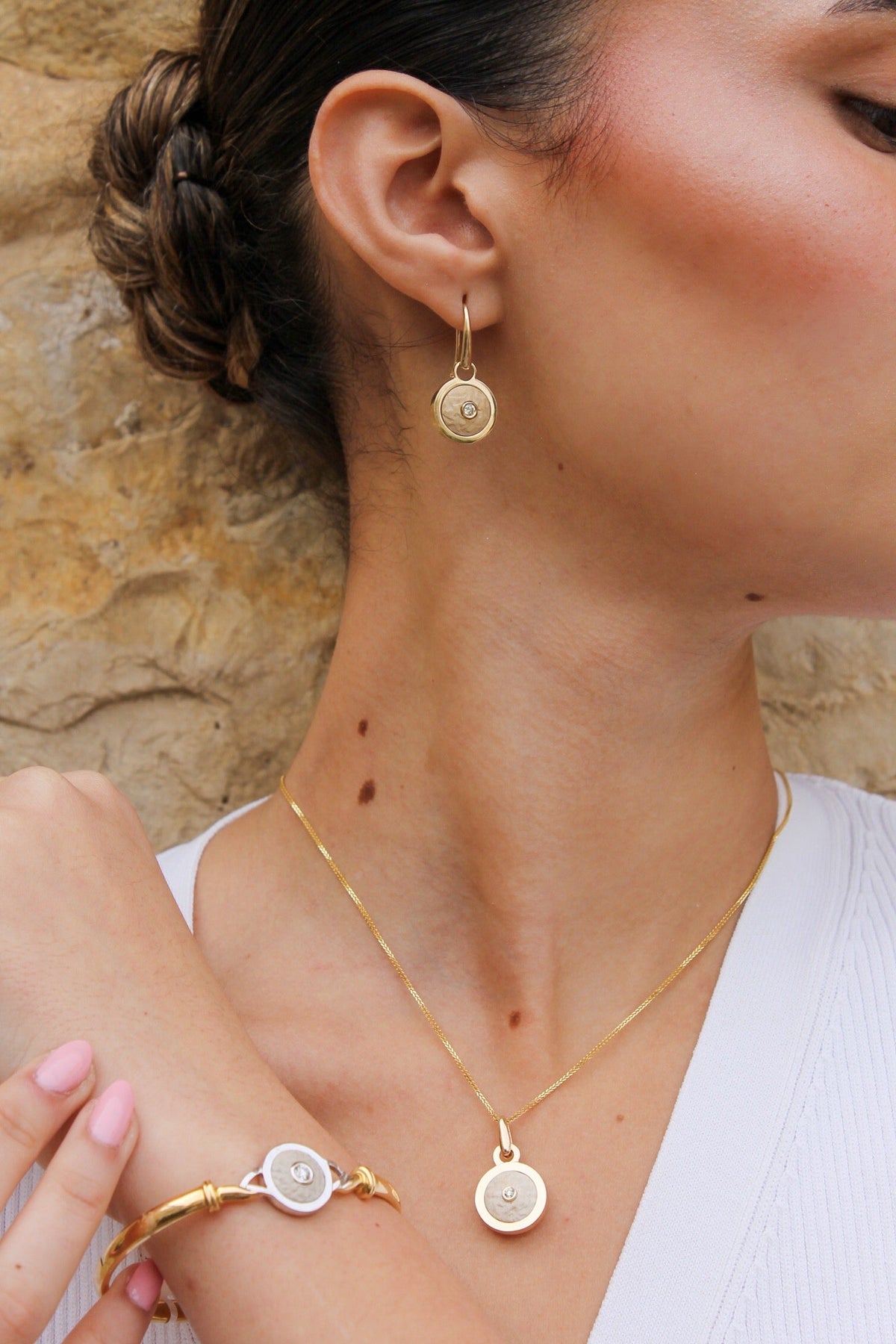
Moriah’s pieces are set with an authenticated Temple Mount stone, rescued through the Temple Mount Sifting Project, with a Certificate of Authenticity signed by the Project’s co-directors. They are hand-set in fine gold and diamonds in Jerusalem by a seventh-generation Jerusalemite family.
Choose a meaningful Bar or Bat Mitzvah gift
Start with the young person's own style and the story you want the gift to carry. A piece they enjoy wearing can become a reminder of their milestone, their family and their connection to Jewish heritage.
For a Bar Mitzvah: a piece that feels like his own
Explore the Moriah Bar Mitzvah gift collection with his everyday style in mind. Consider the design, dimensions and how he likes to wear jewelry, then add a personal note explaining why you chose this piece for him.
For a Bat Mitzvah: a keepsake for her next chapter
Discover the Moriah Bat Mitzvah gift collection for a piece that reflects her personality. Let her preferred shapes, metal tones and meaningful symbols guide the choice, so the gift feels personal today and can be treasured as she grows.
Star of David: a symbol of Jewish identity
For a young person who connects with this symbol, the Star of David collection offers a place to begin. Pair your choice with a few words about what Jewish belonging and family continuity mean to you, while leaving room for the recipient to make the symbol their own.
Let them choose: the Moriah Digital Gift Card
If you want the milestone to feel personal but would rather let them choose the design, give a Moriah Digital Gift Card — A Meaningful Gift. Their Story to Choose. Choose an amount and send the gift digitally, giving the recipient the freedom to find a piece that speaks to their own story. Add a personal message or plan to explore the collections together.
Before ordering a specific piece, check its materials, dimensions, current availability and delivery details. For engraving or a custom design, contact the Moriah team to confirm the options and lead times.
Frequently asked questions
What makes a Bar or Bat Mitzvah gift carry Jewish heritage?
A symbol with meaning, a link to family, and a real connection to Jerusalem or Israel, ideally with proof. The recipient should be able to explain it in a sentence.
What do families traditionally give?
Money, often in multiples of 18, books and Judaica, jewelry, and sometimes a trip to Israel.
Why are gifts often given in multiples of 18?
Eighteen is the numerical value of the Hebrew word chai, meaning “life.”
What jewelry symbols are common?
The chai, the Star of David, the hamsa and the Tree of Life. Moriah’s collections include Emunah, Tree of Life, Beit El and Israel Map.
Can the gift be personalized?
Yes. Ask about engraving options and lead times early. A Hebrew name, a date or a note from the family makes the gift personal.
What comes with a Moriah piece?
A numbered piece, a Certificate of Authenticity signed by the Sifting Project’s co-directors, and a personal letter from Avi Tavisal. 10% of the purchase funds the Temple Mount Sifting Project.
Leave a comment
This site is protected by hCaptcha and the hCaptcha Privacy Policy and Terms of Service apply.